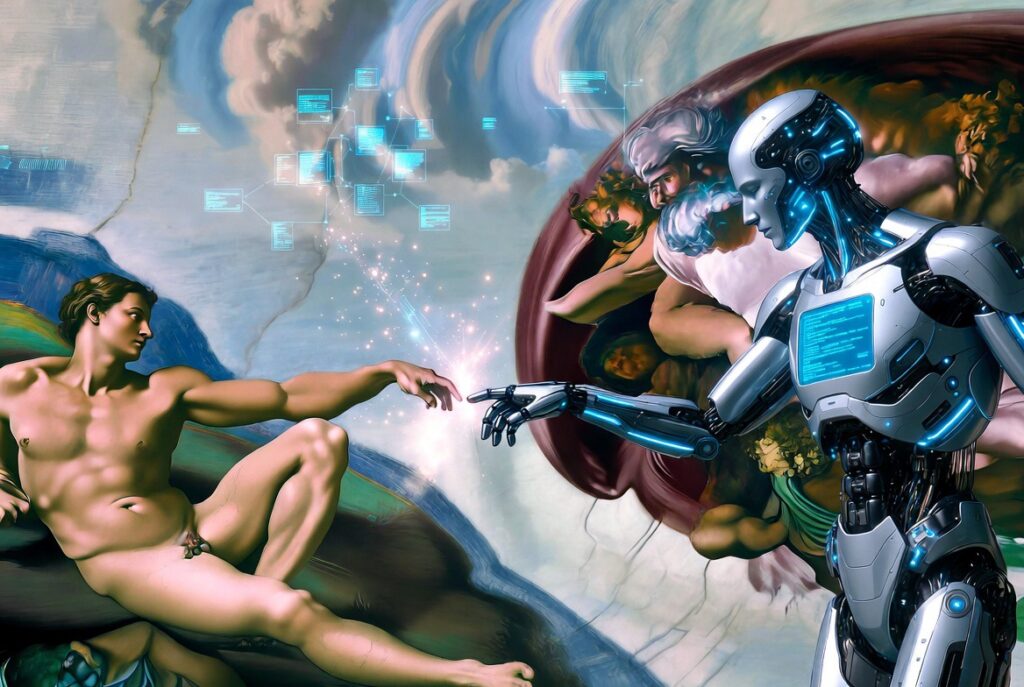
In our hyper-connected world, we hear constant talk about the “digital divide”—the gap between those with access to technology and those without. Policymakers and advocates frame it as an economic or social justice issue: get more devices, more broadband, more people online, and we’ll bridge the gap. But what if that’s missing the deeper problem? What if the real digital divide isn’t about access at all, but about how aggressively we’ve driven people into the internet, trading real flesh-and-blood community for digital substitutes?
As someone who’s walked through addiction, recovery, and decades of ministry, I’ve seen how isolation fuels brokenness. The Bible calls us into relationship—with God and with one another (Hebrews 10:24-25). Yet modern life, accelerated by technology, has quietly engineered the opposite.
The Promise vs. the Reality
The internet was sold as the great connector. Google, social media, and digital tools promised knowledge, community, and opportunity at our fingertips. During the COVID-19 pandemic, this push intensified: schools went remote, churches streamed services, workplaces virtualized, and governments urged us online for everything from groceries to healthcare. What began as a temporary necessity became the new normal.
But data and lived experience tell a different story. Loneliness rates were already climbing before 2020. The Surgeon General has called it an epidemic. Studies show that heavy social media and personalized internet use often correlate with higher feelings of isolation, not less. Why? Because algorithms personalize our worlds—showing us more of what we already like, believe, or fear—creating “filter bubbles” and echo chambers. We get dopamine hits from likes and notifications, but little of the messy, embodied accountability of face-to-face life.
Google’s personalization, social platforms’ engagement engines, and the broader shift online didn’t just reflect isolation; they amplified it. People retreated into curated feeds, replacing coffee with neighbors or church small groups with endless scrolling. The “divide” widened not from lack of access, but from over-reliance that eroded the habits of real community.
How We Got Here: The Engineered Shift
• Pre-COVID Foundations: Personalized search and recommendations (pioneered and perfected by companies like Google) began sorting us into individual information universes years ago. As Eli Pariser warned in The Filter Bubble, this creates intellectual isolation—harder to encounter challenging ideas or diverse people.
• COVID Acceleration: Lockdowns forced millions deeper online. Social media usage spiked dramatically. Virtual tools helped in crisis, but for many, they became permanent replacements. What was meant to bridge distance often deepened disconnection, especially for the vulnerable—older adults, those in recovery, families, and young people.
• The Human Cost: Research links algorithmic echo chambers to increased anxiety, depression, rigid thinking, and loneliness. In recovery ministry, we know isolation is a setup for relapse. Online “communities” can feel supportive but often lack the transformative power of in-person surrender, confession, and shared meals.
This wasn’t accidental. Business models reward engagement over depth. The more time we spend in personalized digital worlds, the less we invest in the local, incarnational relationships Jesus modeled—breaking bread, touching the leper, eating with sinners.
A Biblical and Recovery Perspective
Scripture doesn’t condemn tools, but it warns against idols that promise life but deliver emptiness (Psalm 115). In Celebrate Recovery and our work at Touched Twice United, we meet physical needs first (Mark 8) to open doors for spiritual restoration. The digital push often skips the physical—screens instead of handshakes, posts instead of presence.
Recovery teaches us that true freedom comes through honest community, not curated perfection. “Iron sharpens iron” (Proverbs 27:17) happens in the awkwardness of real life, not filtered feeds. The real digital divide separates those tethered to screens from those rooted in embodied fellowship.
Bridging the True Divide
We don’t need to reject technology—it’s a tool. But we must reclaim balance:
1. Prioritize In-Person First: Host more clinics, small groups, sober socials, and church gatherings. Use tech to invite, not replace.
2. Mindful Use: Limit scrolling. Seek diverse voices. Turn off personalized feeds where possible.
3. Community Solutions: Churches and ministries can lead—neighborhood dinners, recovery walks, mentorship pairings. In our Alcohol Experiment and CR relaunch at Jacob’s Well, we’re blending biblical truth with real relationships.
4. Teach the Next Generation: Model presence. Teach that a like isn’t love and a comment isn’t covenant.
At Touched Twice United and Jacob’s Well, we’ve seen lives transformed when people move from isolation to belonging. The digital world can point us toward hope, but only Jesus and His people restore what screens cannot.
The real divide isn’t access—it’s presence. Let’s choose connection over convenience, community over clicks. As we equip churches and serve the hurting, may we remember: the second touch is always relational.